Dr. Ankit Mehra
Published on July 27, 2026
Myths and Facts About Chemical Peels and Laser Treatments
When it comes to improving skin texture, reducing pigmentation, treating acne scars, or achieving a youthful glow, chemical peels and laser treatments are among the most popular dermatological procedures. Despite their widespread use and proven effectiveness, many misconceptions surround these treatments. Fear of pain, concerns about skin damage, and unrealistic expectations often prevent people from exploring these safe and effective cosmetic procedures.
The truth is that modern dermatology has made significant advancements in chemical peel and laser technologies. When performed by a qualified dermatologist, these treatments are highly effective, customizable, and suitable for various skin concerns. Understanding the facts behind these procedures can help you make informed decisions about your skincare journey.
This blog explores the most common myths and facts about chemical peels and laser treatments to separate misinformation from reality.
Understanding Chemical Peels
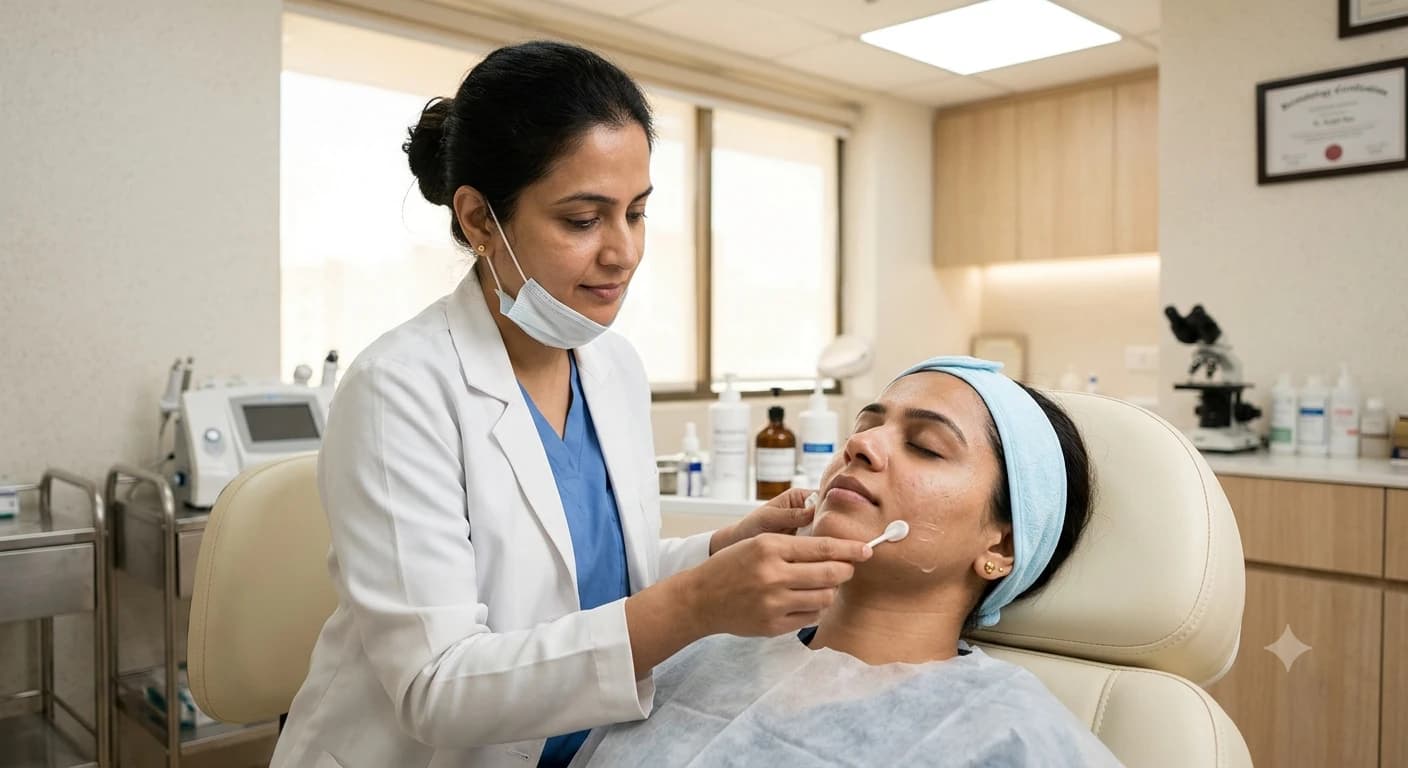
A chemical peel is a dermatological treatment in which a specially formulated chemical solution is applied to the skin to remove damaged outer layers. Depending on the type of peel, it can target concerns such as acne, acne scars, pigmentation, melasma, sun damage, fine lines, and uneven skin tone.
Chemical peels are generally categorized into superficial, medium, and deep peels, with each offering different levels of skin rejuvenation and recovery time.
Understanding Laser Treatments
Laser treatments use concentrated beams of light to address various skin conditions. Different laser technologies are designed to treat pigmentation, acne scars, wrinkles, unwanted hair, vascular lesions, enlarged pores, and skin tightening.
Since laser treatments are highly customizable, dermatologists select the appropriate laser based on your skin type, skin concern, and desired outcome.
Myth 1: Chemical Peels Thin the Skin
Fact
One of the biggest misconceptions is that chemical peels permanently thin the skin. In reality, chemical peels remove only the damaged outermost layer of dead skin cells. This process stimulates collagen production and encourages healthy new skin growth.
Over time, properly performed chemical peels actually improve skin thickness by boosting collagen, making the skin healthier, firmer, and smoother.
Myth 2: Laser Treatments Burn the Skin
Fact
Modern laser treatments are designed with advanced cooling technologies and precise energy settings. The goal is not to burn healthy skin but to target specific pigments, blood vessels, hair follicles, or damaged tissue.
A trained dermatologist carefully adjusts the laser settings according to your skin type and treatment goals, significantly reducing the risk of burns or complications.
Myth 3: Chemical Peels Are Extremely Painful
Fact
Most chemical peels cause only mild tingling, warmth, or slight stinging during the procedure. Superficial peels usually involve minimal discomfort and require little to no downtime.
Medium and deep peels may cause temporary discomfort, but dermatologists often use cooling techniques or medications to improve patient comfort throughout the treatment.
Myth 4: Laser Treatments Are Only for Fair Skin
Fact
Years ago, older laser technologies were less suitable for darker skin tones due to a higher risk of pigmentation changes. However, modern laser systems are specifically designed to safely treat a wide range of skin tones.
Experienced dermatologists carefully select laser wavelengths and energy levels suitable for each individual's skin type, making laser treatments much safer than before.
Myth 5: Chemical Peels Are Only for Women
Fact
Healthy skin has no gender. Men increasingly choose chemical peels to improve acne scars, pigmentation, oily skin, enlarged pores, razor bumps, and signs of aging.
Chemical peels are effective for anyone seeking healthier, smoother, and brighter skin.
Myth 6: One Treatment Gives Permanent Results
Fact
While many patients notice visible improvement after a single session, long-lasting skin improvement usually requires multiple treatment sessions combined with a proper skincare routine.
Factors such as aging, sun exposure, hormonal changes, and lifestyle habits continue to affect the skin, making maintenance treatments beneficial.
Myth 7: Laser Treatments Are Unsafe
Fact
Laser treatments have been extensively studied and are considered safe when performed by trained dermatologists using FDA-approved or clinically validated equipment.
The key to safety lies in accurate diagnosis, proper patient selection, correct laser settings, and following post-treatment care instructions.
Myth 8: Chemical Peels Cause Permanent Skin Damage
Fact
Temporary redness, peeling, or mild sensitivity is a normal part of the healing process. Permanent skin damage is extremely uncommon when chemical peels are performed correctly by experienced professionals.
Proper sunscreen use and dermatologist-recommended skincare significantly reduce the risk of complications.
Myth 9: Laser Treatments Can Cause Cancer
Fact
This myth has no scientific basis. Cosmetic lasers use non-ionizing light energy, which does not damage DNA in the same way harmful radiation does.
There is no evidence that dermatological laser treatments increase the risk of skin cancer.
Myth 10: Chemical Peels Are Only for Acne
Fact
Although chemical peels are excellent for acne management, they also treat numerous other concerns, including:
- Hyperpigmentation
- Melasma
- Fine lines
- Sun damage
- Uneven skin tone
- Dull complexion
- Rough skin texture
- Enlarged pores
Different peel formulations allow dermatologists to personalize treatment based on individual skin concerns.
Myth 11: Laser Treatments Require Months of Recovery
Fact
Recovery depends on the type of laser used. Many non-ablative laser treatments require little to no downtime, allowing patients to return to work the same day or the following day.
Fractional lasers may involve several days of redness and peeling, while more intensive resurfacing lasers require longer recovery periods.
Your dermatologist will explain the expected downtime before treatment.
Myth 12: Home Chemical Peels Work the Same as Professional Peels
Fact
Over-the-counter chemical peel products contain much lower concentrations of active ingredients compared to professional medical-grade peels.
Professional treatments are carefully customized according to your skin condition and monitored by dermatologists, resulting in safer and more effective outcomes.
Benefits of Chemical Peels
Chemical peels offer several benefits, including:
- Brighter skin complexion
- Improved skin texture
- Reduction in acne
- Lightening of pigmentation
- Reduction of acne scars
- Improved fine lines
- Smoother skin
- Better absorption of skincare products
- Stimulated collagen production
Benefits of Laser Treatments
Laser procedures provide multiple cosmetic and medical benefits, such as:
- Acne scar reduction
- Pigmentation correction
- Hair removal
- Wrinkle reduction
- Skin tightening
- Sun damage repair
- Treatment of vascular lesions
- Improvement in enlarged pores
- Skin resurfacing
- Enhanced collagen production
Who Is an Ideal Candidate?
You may benefit from chemical peels or laser treatments if you have:
- Acne scars
- Uneven skin tone
- Pigmentation
- Fine wrinkles
- Sun damage
- Enlarged pores
- Melasma
- Dull skin
- Rough skin texture
- Unwanted facial or body hair
A consultation with a dermatologist helps determine the most suitable treatment based on your medical history, skin type, and cosmetic goals.
Tips Before Undergoing Treatment
Before your appointment, consider the following recommendations:
- Avoid excessive sun exposure.
- Inform your dermatologist about current medications.
- Avoid self-medicating with strong exfoliating products.
- Follow all pre-treatment instructions carefully.
- Discuss your expectations honestly with your dermatologist.
Aftercare Matters
Proper aftercare plays a crucial role in achieving optimal results.
After treatment, patients should:
- Apply sunscreen daily.
- Keep the skin moisturized.
- Avoid direct sun exposure.
- Do not pick peeling skin.
- Follow prescribed skincare products.
- Attend scheduled follow-up appointments.
Good aftercare minimizes complications and enhances treatment outcomes.
Conclusion
Chemical peels and laser treatments have transformed modern skincare by offering effective solutions for acne scars, pigmentation, aging, uneven skin tone, and many other skin concerns. Unfortunately, myths and misinformation often discourage people from considering these scientifically proven procedures.
The reality is that both chemical peels and laser treatments are safe, effective, and highly customizable when performed by an experienced dermatologist. They do not permanently damage the skin, are suitable for many skin types, and can significantly improve skin health with proper treatment planning and aftercare.
If you're considering skin rejuvenation, don't let myths influence your decision. Consult a qualified dermatologist who can evaluate your skin and recommend the most appropriate treatment plan to help you achieve healthy, glowing, and confident skin.

