
Dr. Ankit Mehra
Published on February 16, 2026
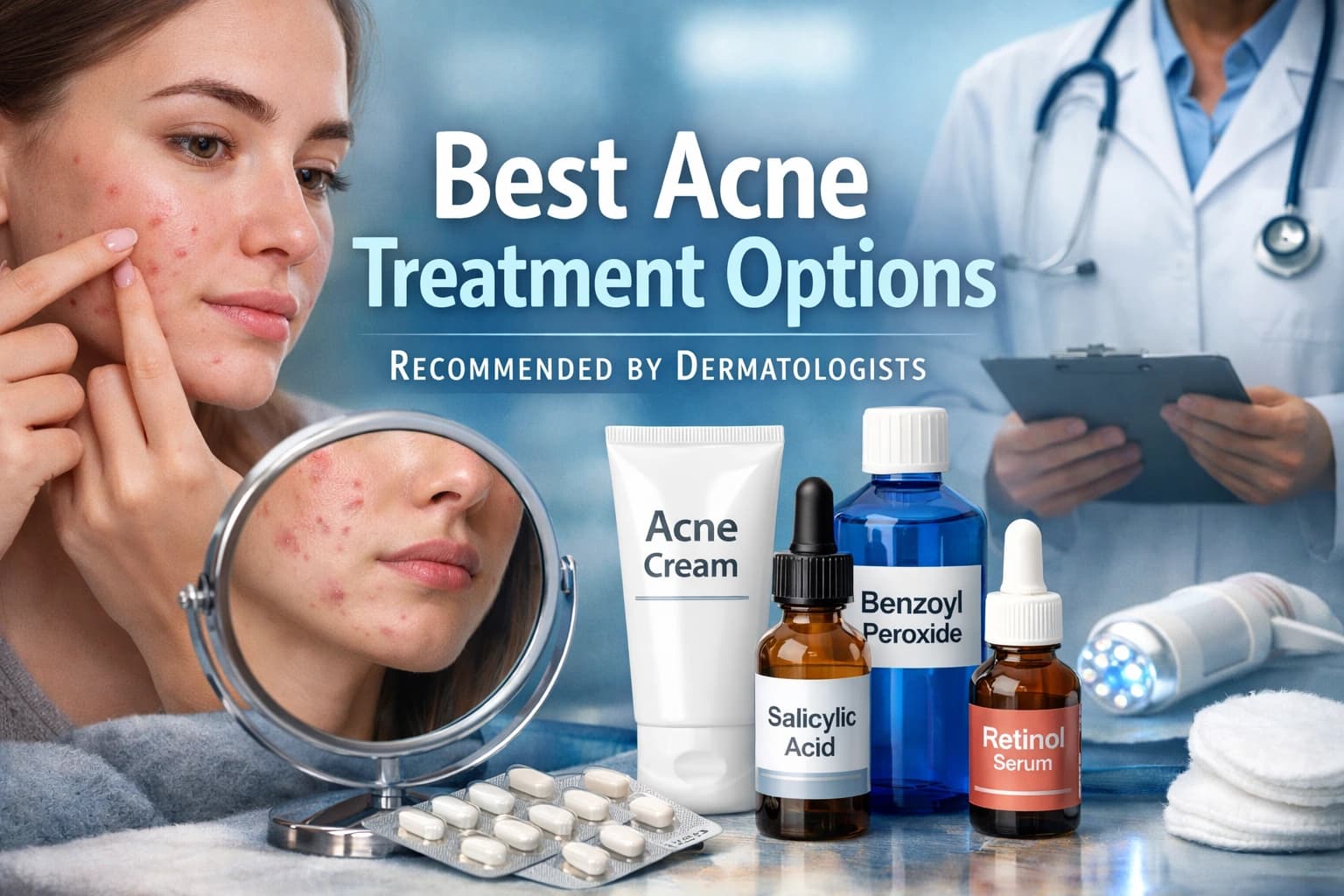
Best Acne Treatment Options Recommended by Dermatologists
Acne is one of the most common skin concerns affecting teenagers and adults alike. From painful pimples to stubborn acne scars, it can impact not only your skin but also your confidence. The good news? Dermatologists today offer advanced, safe, and highly effective acne treatments tailored to your skin type and severity.
If you’re struggling with persistent breakouts in Ajmer, consulting an experienced dermatologist like Dr. Ankit Mehra can help you get the right diagnosis and personalized treatment plan at our advanced skin treatment clinic in Ajmer.
What Causes Acne?
Acne develops when hair follicles become clogged with oil (sebum), dead skin cells, and bacteria. Several factors contribute to this condition:
- Excess oil production
- Hormonal imbalance
- Stress
- Poor skincare routine
- Genetic factors
- Use of comedogenic cosmetics
- Unhealthy diet
Understanding the root cause is essential because acne treatment for hormonal imbalance is not "one-size-fits-all."
Types of Acne
Before starting treatment, dermatologists classify acne into different types:
- Whiteheads
- Blackheads
- Papules
- Pustules
- Nodules
- Cystic acne
Mild acne may respond to topical creams, while moderate to severe acne may require oral medications or advanced laser skin treatments.
Best Acne Treatment Options Recommended by Dermatologists
1. Topical Medications (First-Line Treatment)
Topical treatments are usually the first step in managing mild to moderate acne.
- Retinoids (Tretinoin, Adapalene) – Unclog pores and prevent new acne.
- Benzoyl Peroxide – Kills acne-causing bacteria.
- Salicylic Acid – Reduces inflammation and clears pores.
- Topical Antibiotics – Control bacterial growth.
If you are unsure which cream suits your skin type, visit our dermatology consultation page for expert guidance.
2. Oral Medications for Moderate to Severe Acne
When topical treatments aren’t enough, dermatologists may prescribe oral medications.
- Oral Antibiotics – Reduce bacteria and inflammation.
- Isotretinoin treatment – Highly effective for severe, cystic acne.
- Hormonal Therapy (for women) – Birth control pills or anti-androgen medications.
3. Chemical Peels for Acne & Pigmentation
Chemical peel treatment uses safe acids like glycolic acid or salicylic acid to:
- Remove dead skin cells
- Reduce acne marks
- Improve skin texture
- Control oil production
4. Laser & Light-Based Acne Treatments
Advanced dermatology clinics now offer laser treatments for acne to treat both active acne and acne scars.
- Reduces bacteria
- Controls oil glands
- Improves acne scars
- Quick recovery time
5. Acne Scar Treatments
Once acne heals, scars can remain. Dermatologists recommend:
- Microneedling treatment
- PRP (Platelet-Rich Plasma)
- Laser resurfacing
- Dermal fillers for deep scars
6. Lifestyle & Skincare Modifications
- Use non-comedogenic products
- Avoid over-washing the face
- Reduce sugary and oily foods
- Manage stress levels
- Avoid touching or popping pimples
If you experience seasonal skin issues, read our guide on skin allergies during weather change.
Why You Should Avoid Self-Medication
Many people try random creams suggested by friends or social media influencers. This can worsen acne, cause irritation, and increase pigmentation. Proper evaluation by a dermatologist ensures safe and effective treatment. Learn more about our clinical skin treatments in Ajmer.
How Long Does Acne Treatment Take?
- 4–6 weeks for visible improvement
- 3–6 months for significant control
- Longer duration for severe acne
When Should You See a Dermatologist?
- Acne is painful or cystic
- Over-the-counter products are not working
- Acne is leaving scars
- Sudden adult-onset acne
- Acne affects your confidence
Acne Treatment in Ajmer – Expert Care You Can Trust
If you're looking for advanced and personalized acne treatment in Ajmer, book an appointment with Dr. Ankit Mehra today. Explore our full range of dermatology services in Ajmer.
Final Thoughts
Acne is treatable — and you don’t have to live with it. With modern dermatology advancements, clearer and healthier skin is achievable at any age. Early diagnosis, proper treatment, and consistent follow-ups are the key to long-term results.

